
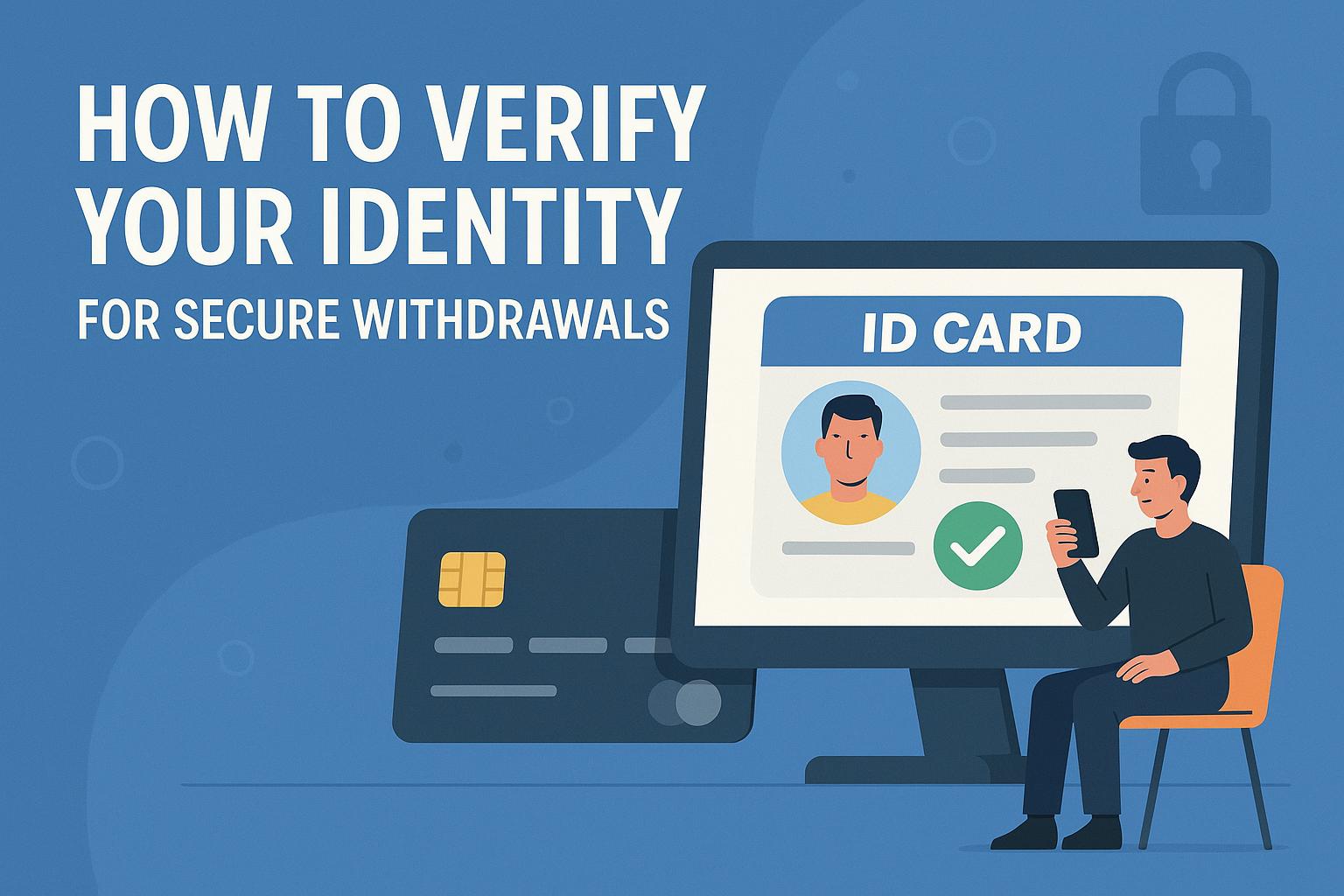
Understanding Identity Verification for Secure Withdrawals
In today’s increasingly digital world, identity verification is a critical step in securing online financial transactions, particularly for ensuring safe and secure withdrawals. With the surge in online banking and the use of digital currency platforms, the need for robust verification methods has never been more paramount. The potential for fraud and unauthorized access presents significant risks to both consumers and service providers. Consequently, understanding and implementing effective identity verification processes has become essential. This article delves into the various strategies and methods employed to verify identity across different platforms, ensuring a safer transactional experience for all parties involved.
Why Identity Verification is Essential
The primary purpose of identity verification is to verify that users are indeed who they claim to be. In the context of financial transactions, this process is not only vital for protecting personal data but also for maintaining the financial security of both users and service providers. Successful verification measures prevent fraudulent activity and unauthorized access to sensitive financial information, thereby ensuring that only legitimate users can conduct transactions. Furthermore, robust verification processes enable companies to comply with stringent regulatory standards, preventing legal repercussions and enhancing their reputation in the industry.
Common Methods of Verification
Various identification methods are used by financial institutions and online platforms to authenticate a user’s identity before permitting access to accounts or processing transactions. These methods vary in complexity and security levels:
1. Government-Issued Identification: This is the most standard approach, utilizing documents such as passports, driver’s licenses, and national ID cards. These forms of identification contain vital personal information, which can be cross-referenced with official databases to verify authenticity and accuracy.
2. Biometric Data: A more advanced method, biometric verification, incorporates fingerprint scanning, facial recognition, and other biometric data to establish identity. This technology offers a higher security level because biometric traits are unique to each individual and challenging to replicate or tamper with.
3. Two-Factor Authentication (2FA): 2FA is widely adopted due to the additional layer of security it provides. Beyond the basic username and password combination, a second authentication factor, such as a temporary code sent to a registered mobile device or email, is required. This approach minimizes the risk of unauthorized access, even if the primary password is compromised.
Steps to Verify Identity
For a seamless withdrawal experience, following these general steps in identity verification is crucial:
Register Your Account: The initial step involves creating an account on the platform or service, where accurate and comprehensive information must be provided. This information commonly includes your full name, current address, and valid contact details, which serve as a foundational element for subsequent verification processes.
Submit Required Documents: Once the account is established, the next step is to upload or submit copies of required government-issued identification or other relevant documentation as specified by the financial institution. This is a fundamental measure to ensure that the information matches recorded data and is up-to-date.
Complete Any Additional Verification: Where applicable, further verification steps may involve answering security questions or setting up 2FA using another device or email. In some cases, platforms may request users to provide biometric verification, offering an even higher security level.
For enhanced security, some platforms might also require a selfie with the identification document. This action allows for the real-time confirmation of the user’s physical presence, matching the face in the selfie with the image on the submitted identification document.
Conclusion
Identity verification plays a vital role in securing financial transactions within the digital landscape. By recognizing the importance and adhering to standardized verification processes, both users and service providers can participate in a safer and more secure financial environment. The intricate balance of convenience and security is thus achieved by leveraging effective verification methods. For individuals seeking more specific information on protocols and practices, it is advisable to visit the official websites of their respective financial institutions or reach out to their customer support divisions directly for detailed guidance and support. This proactive approach ensures that users are well-informed and equipped to handle any identification requirements effectively.
For comprehensive information, consider visiting platforms that specialize in financial security and identity verification, where you can find valuable resources, guides, and up-to-date recommendations on maintaining security in your digital transactions.