
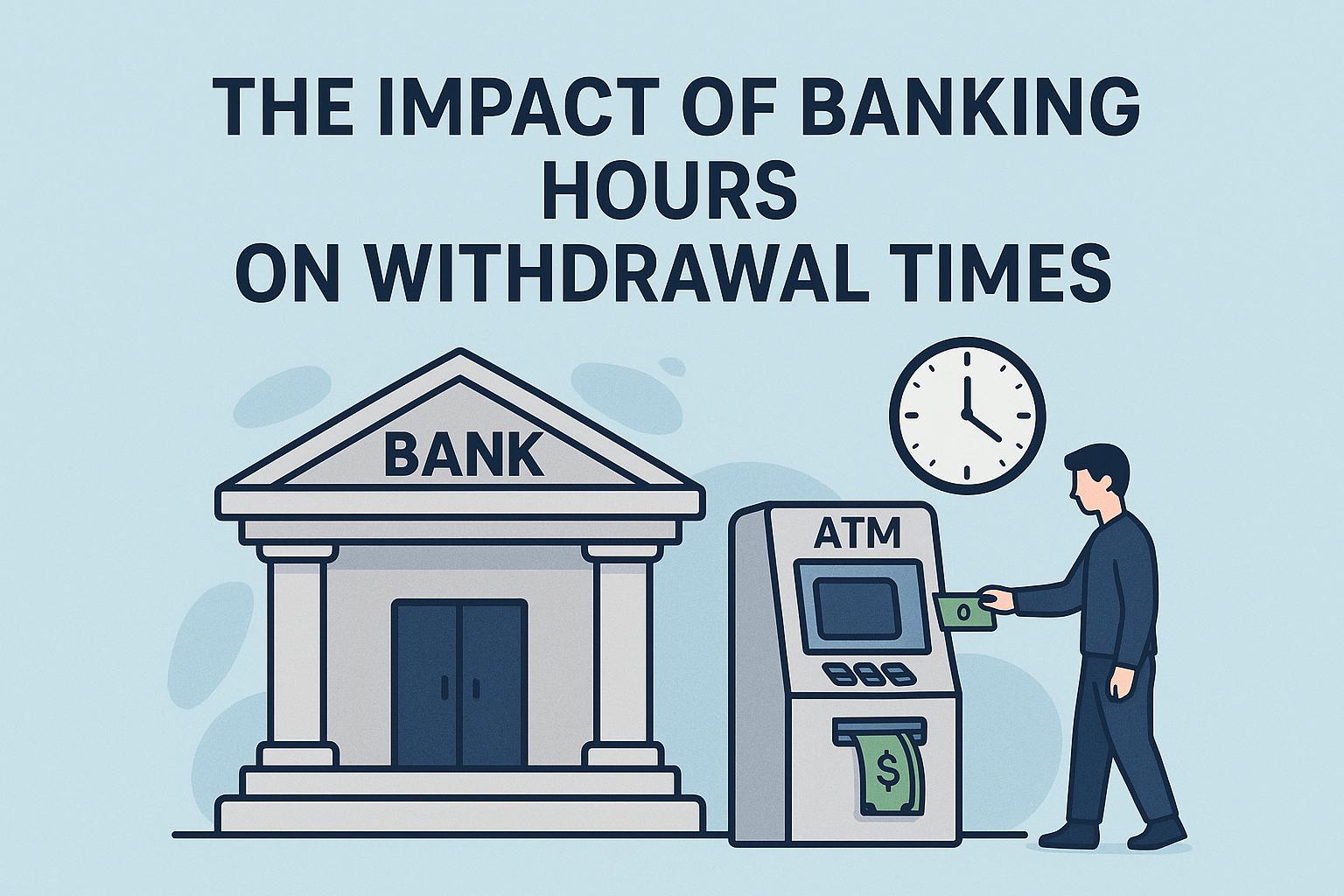
The Relationship Between Banking Hours and Withdrawal Times
In understanding how banking hours affect withdrawal times, it’s essential to consider how financial institutions operate. Banks typically have set operating hours within which they provide various services, including cash withdrawals. These hours, which generally range from 9:00 AM to 5:00 PM on weekdays, can significantly influence the convenience and timing of customer withdrawals.
Banks play an integral role in the functioning of the economy by providing a wide range of services to individuals and businesses alike. A critical aspect of this service is the ability to deposit and withdraw cash. However, the accessibility to withdraw funds is often contingent upon the operational hours of these financial institutions.
Impact on In-Person Withdrawals
Banking hours play a crucial role in determining when customers can make in-person withdrawals. During regular business hours, customers can visit bank branches to withdraw cash directly. However, outside these hours, options are limited to ATMs or online banking services. This limitation can lead to increased foot traffic during working hours, potentially resulting in longer wait times.
The synchronization of personal schedules with bank hours can often present challenges. Many people have work commitments that overlap with banking hours, making it difficult for them to conduct necessary transactions during the day. Consequently, a concentration of customers opts to visit branches during lunch breaks or right after work, just before closing time. This convergence can create bottlenecks, leading to longer waits which might inconvenience those with limited time.
ATM Accessibility
An innovation that has somewhat mitigated the dependency on standard banking hours is the Automated Teller Machine (ATM). ATMs operate 24/7, offering customers the flexibility to withdraw cash at any time. However, the availability and number of ATMs in a given area can impact withdrawal times. Areas with a higher concentration of ATMs typically experience shorter queues, reducing wait times for customers.
ATMs have become the cornerstone for immediate cash access, enabling users to carry out transactions independently of branch hours. Nevertheless, the convenience of ATMs is often proportional to their distribution and functional reliability in a given area. Urban centers tend to have a higher density of ATMs, offering users multiple access points, which can significantly alleviate wait times. In contrast, rural or underserved areas might experience a scarcity, leading to possible overcrowding and increased wear and tear, which in turn might lead to downtime and maintenance outages.
Online and Mobile Banking Solutions
With advancements in technology, many banks now offer online and mobile banking solutions, enabling customers to manage their finances outside of traditional banking hours. While these platforms provide the convenience of transferring funds and conducting other financial transactions, cash withdrawal still requires interfacing with ATMs or in-person visits.
Digital banking solutions have revolutionized the way financial transactions are conducted, offering unparalleled convenience and time savings. Customers can now access their accounts, review transactions, and ensure their financial affairs are in order without a physical bank visit. However, these advancements, while addressing transaction management, still necessitate physical interactions when cash is needed, either through machines or bank visits.
Banking Hours and Peak Times
Banks often experience high traffic during specific hours, notably lunchtime and just before closing. This peak traffic can extend withdrawal times as more customers attempt to access banking services simultaneously. Understanding these patterns can help customers plan their visits to avoid long waiting times.
Deducing peak times is often pivotal for efficient banking. Lunchtime rushes and the last-minute queue toward closing are recurrent, leading to potential delays in service. While customers who are cognizant of these patterns might adjust their schedules, others can benefit from banks extending their hours or staggering peak times through customer education and better service distribution strategies.
Strategies to Minimize Withdrawal Times
Customers looking to minimize the time spent on cash withdrawals could consider several strategies:
Planning Visits: Scheduling bank visits during non-peak hours can help reduce waiting times. By opting to interact with banking services during quieter periods, customers can often enjoy swifter, more efficient service.
Using Digital Solutions: Leveraging online and mobile banking for transactions that do not require physical cash can streamline financial management. Conducting tasks such as bill payments, fund transfers, and account inquiries online reduces the need to visit a branch in person.
ATM Utilization: Identifying and utilizing nearby ATMs with fewer users can expedite the withdrawal process. A preliminary scan of ATM locations and usage patterns might reveal some that are underutilized, providing faster service opportunities.
Conclusion
In summary, while traditional banking hours can influence withdrawal times, modern solutions like ATMs and online banking help mitigate these limitations. The blend of extending access through digital channels and enhancing the physical infrastructure with ATMs provides a comprehensive approach to customer needs. For more detailed insights on managing banking operations, readers may consider exploring resources provided by financial institutions or professional financial advisors here.
Understanding the nuances behind banking hours and the available technological solutions can empower customers to make informed decisions about their financial activities. As the financial landscape continues to evolve, staying informed about best practices and strategies for effective banking will remain crucial for all consumers.